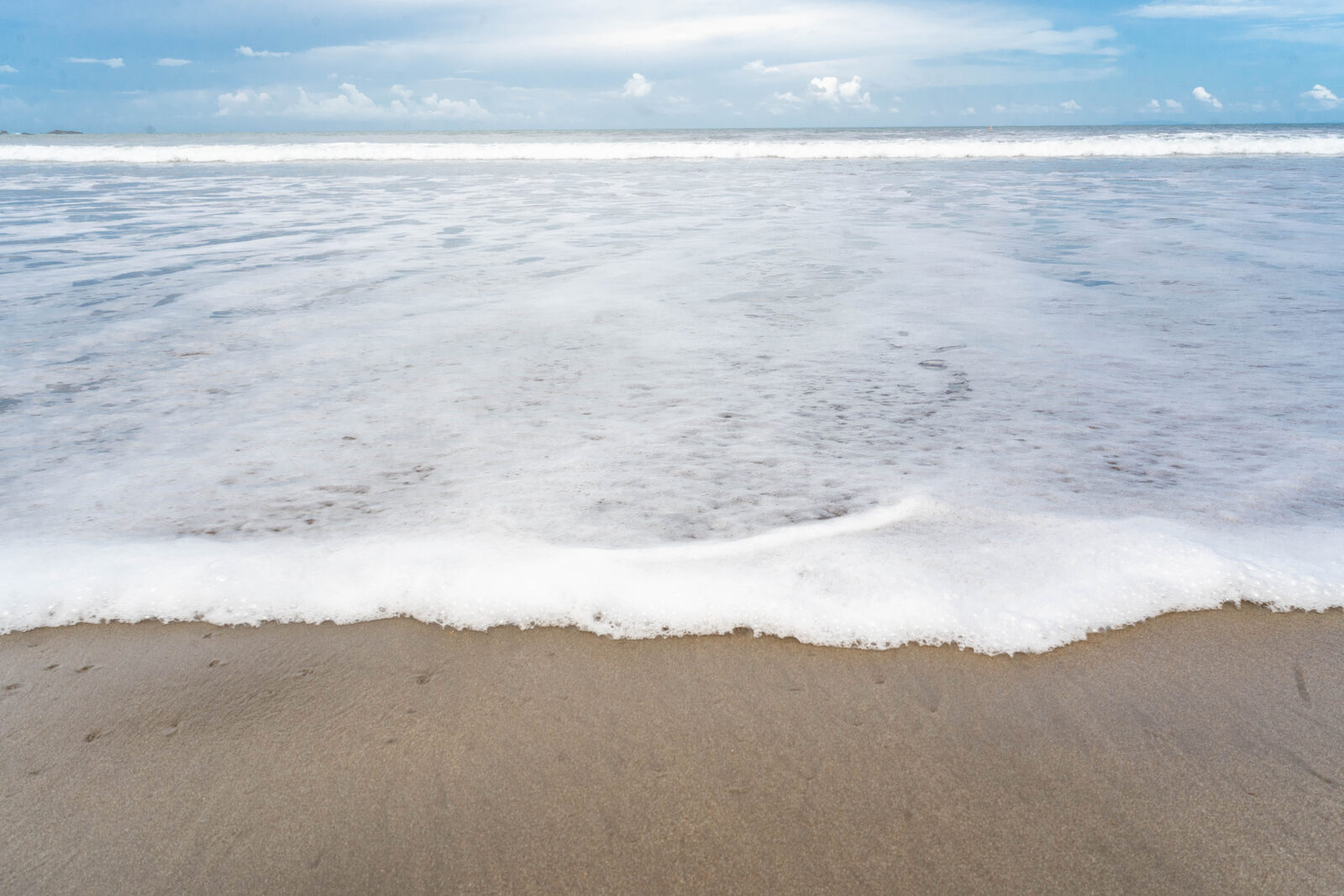
Jacó
Costa Rica's most vibrant beach town: surf, dine, explore
Why Visit Jacó
Year-Round Surf
Consistent beach break with peaks for all levels. Biggest swells April-October; cleaner conditions December-March.
Walkable Restaurant Scene
50+ restaurants within a half-mile radius. Fresh seafood, wood-fired pizza, sushi, Costa Rican sodas, and farm-to-table bistros.
Central Pacific Base Camp
Launch point for every tour in the region: Carara, Manuel Antonio, waterfall hikes, zip lines, ATV tours, and catamaran cruises.
Nightlife Hub
Beachfront bars, live music venues, and late-night spots. The most active nightlife on Costa Rica's Pacific coast.
Weekly Farmers Market
Friday afternoons at Plaza Coral. Organic produce, local artisans, prepared foods, live music. The best way to meet locals and stock your kitchen.
Surf Shops & Rentals
Two dozen surf shops renting boards, offering lessons, and selling gear. Competition keeps prices reasonable.
Art Galleries & Boutiques
Growing arts scene with galleries, handmade jewelry, surf-inspired art, and Costa Rican craft shops mixed among the surf shops.
Family-Friendly Infrastructure
Supermarkets, pharmacies, medical clinics, banks, and everything else you'd need for extended stays or family trips.
Day Trips from Jacó
Jacó sits at the center of the Central Pacific coast, close enough to national parks, wildlife reserves, and Gulf islands that you can be back at the pool by sunset. These are the excursions that guests ask about most often, and the ones that turn a beach week into a full Costa Rica experience.
Carara National Park
14km (9 miles), 20 minutes north on Route 34Carara sits at the biological crossroads of dry Pacific and humid Caribbean forest, making it one of the best places on the Pacific coast to see scarlet macaws in the wild. A 6am guided tour puts you under the roost before most people have finished breakfast.
Read the full guide →Tárcoles Crocodile Bridge
12km (7.5 miles), 15 minutes north on Route 34 (before Carara entrance)Stop on the bridge over the Tárcoles River and look down. American crocodiles, some exceeding 4 meters, rest in the shallows below. It costs nothing, takes 10 minutes, and is more impressive in person than any photo suggests.
Read the full guide →Tortuga Island Catamaran
Depart from Los Sueños Marina, 10 minutes by car north of Jacó; 45-minute boat crossingTortuga Island is a 300-acre white-sand island in the Gulf of Nicoya with clear water, good snorkeling, and basically nothing to do except swim and eat grilled fish. It is the single most popular full-day excursion from Jacó for a reason.
Read the full guide →Manuel Antonio National Park
72km (45 miles), 1.5 to 2 hours south on Route 34Manuel Antonio combines rainforest and beach in a way few parks in Central America can match. Three-toed sloths in the canopy, white-faced capuchins near the trail, and a white-sand beach at the end that you walk into from the water.
Read the full guide →Herradura Bay & Playa Hermosa
8km (5 miles), 15 minutes north from JacóHerradura Bay is a horseshoe-shaped bay with calmer water than Jacó Beach, backed by jungle and residential hillside. Playa Hermosa (not the Guanacaste one) is a dark-sand beach known for surf and relative quiet. Good for a half-day if you do not want a full excursion.
Read the full guide →Vista Los Sueños Adventure Park
6km (4 miles), 10 minutes east of Jacó centerAn adventure park with zipline circuits (8 cables plus Tarzan swing), ATV jungle trails, and a butterfly garden. A reliable option for families with kids who need something active on a hot day, and a quick transfer back to the rental afterward.
Read the full guide →Quepos & Marina Pearl
Same as Manuel Antonio (72km south), 1.5 hours; or combine as lunch stop on the way backQuepos is a working fishing town that happens to have good ceviche restaurants and a small marina. Combine it with a stop at the Marina Pearl outlet mall if you need anything for the rental, or just walk the waterfront malecon and eat fresh fish at a beachfront soda.
Read the full guide →Keep Reading
Beyond the beach, Jacó's Avenida Pastor Díaz is the walkable main artery of the town's dining and nightlife scene. See our full Jacó nightlife guide for bars, beach clubs, and live music venues.
The Jacó dining scene punches above what a town its size should offer. From wood-fired pizza and sushi to ceviche at beachfront sodas and farm-to-table bistros, there is enough variety to spend a week eating differently every night. Check our Jacó restaurants guide for where to eat in every price range.
Jacó's beach break works for beginners and experienced surfers alike, with waves that are consistent year-round. Our Jacó surf guide covers the break types, best swell direction, and where to find lessons if you are still learning.
If you are deciding between Jacó, Los Sueños, or Herradura, or just want a fuller picture of what the Central Pacific offers, start with our Jacó area guide.
Ready to Catch Waves?
Jacó has consistent surf year-round for all levels. Learn more about surfing in Jacó.
Explore Jacó SurfingThings to Do
Discover the best activities and experiences in Jacó
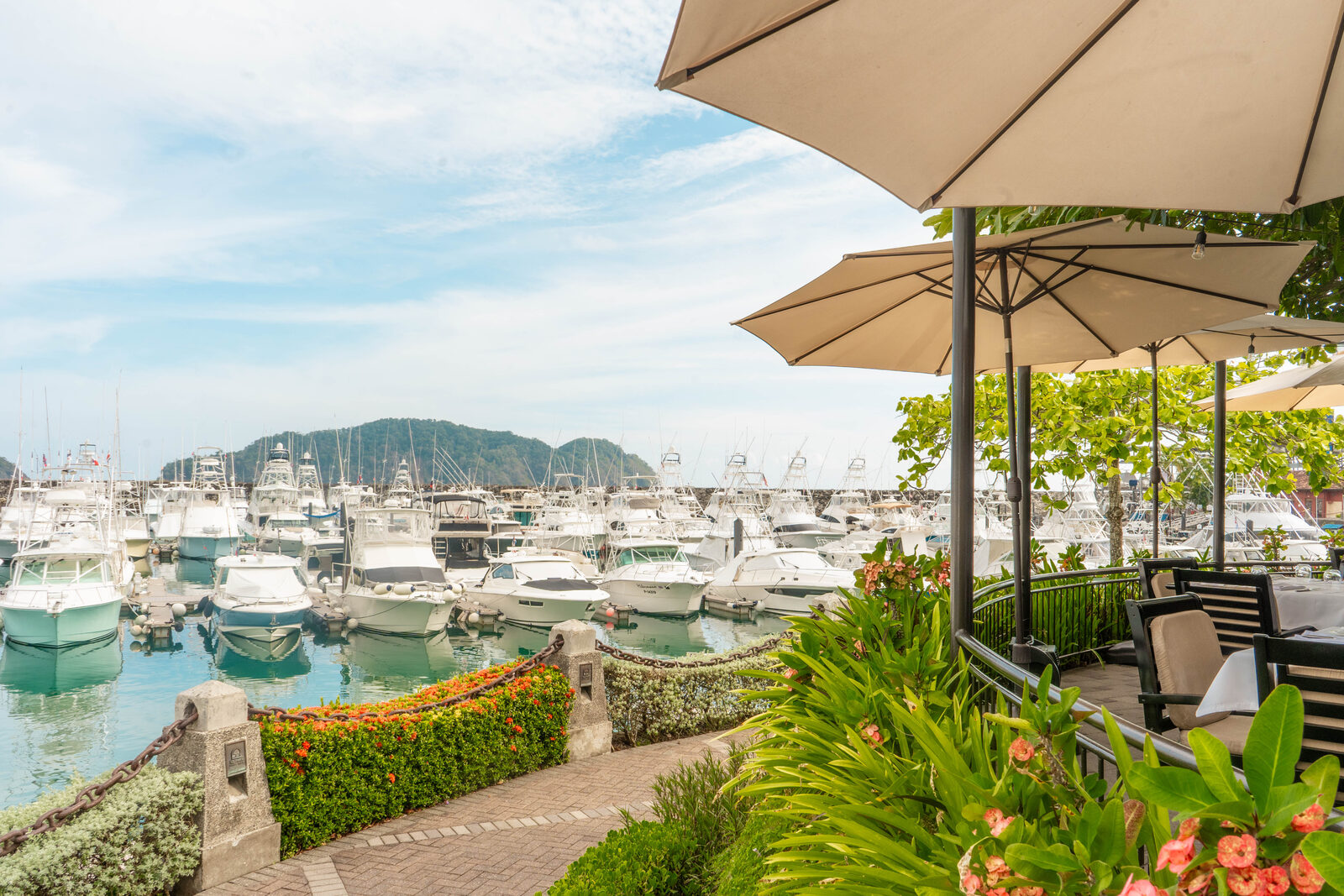
Sport Fishing
Costa Rica's sport fishing capital. Los Sueños Marina offers some of the world's best billfish waters, with sailfish and...
Learn More →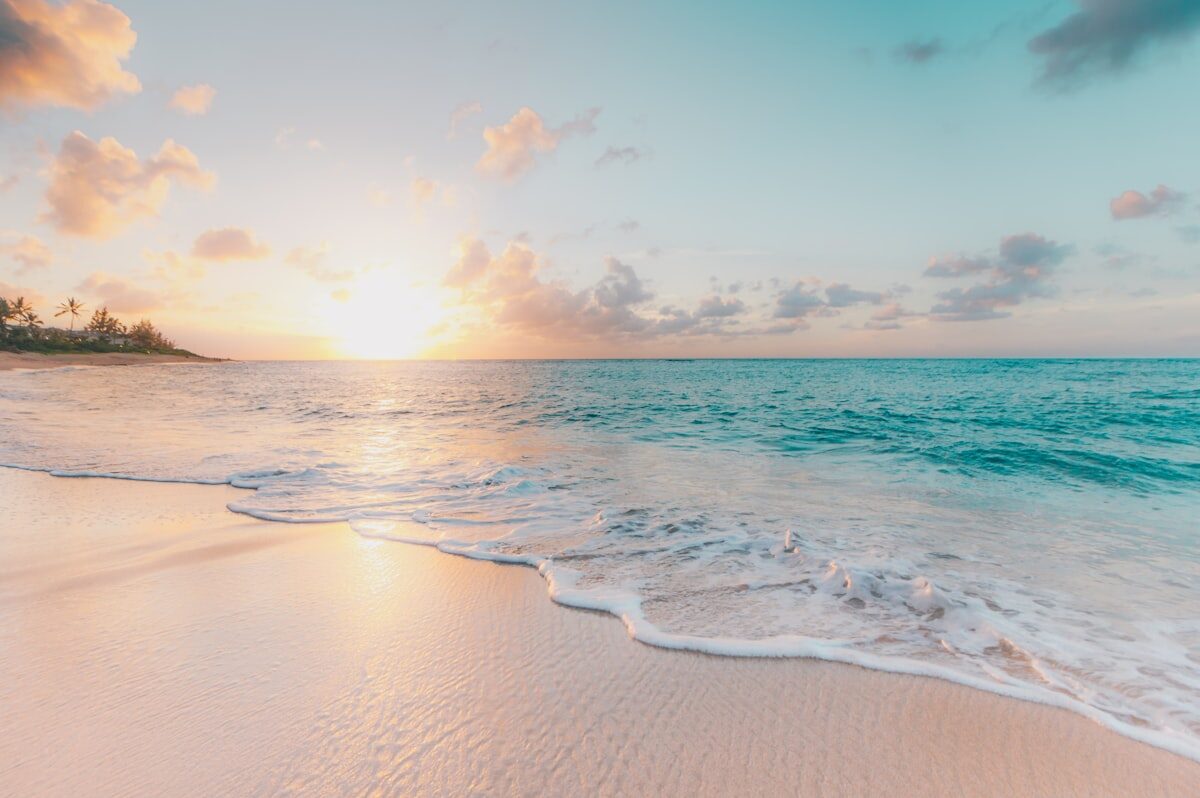
Surfing
The Central Pacific offers Costa Rica's most consistent and accessible surf, with year-round waves for every skill level...
Learn More →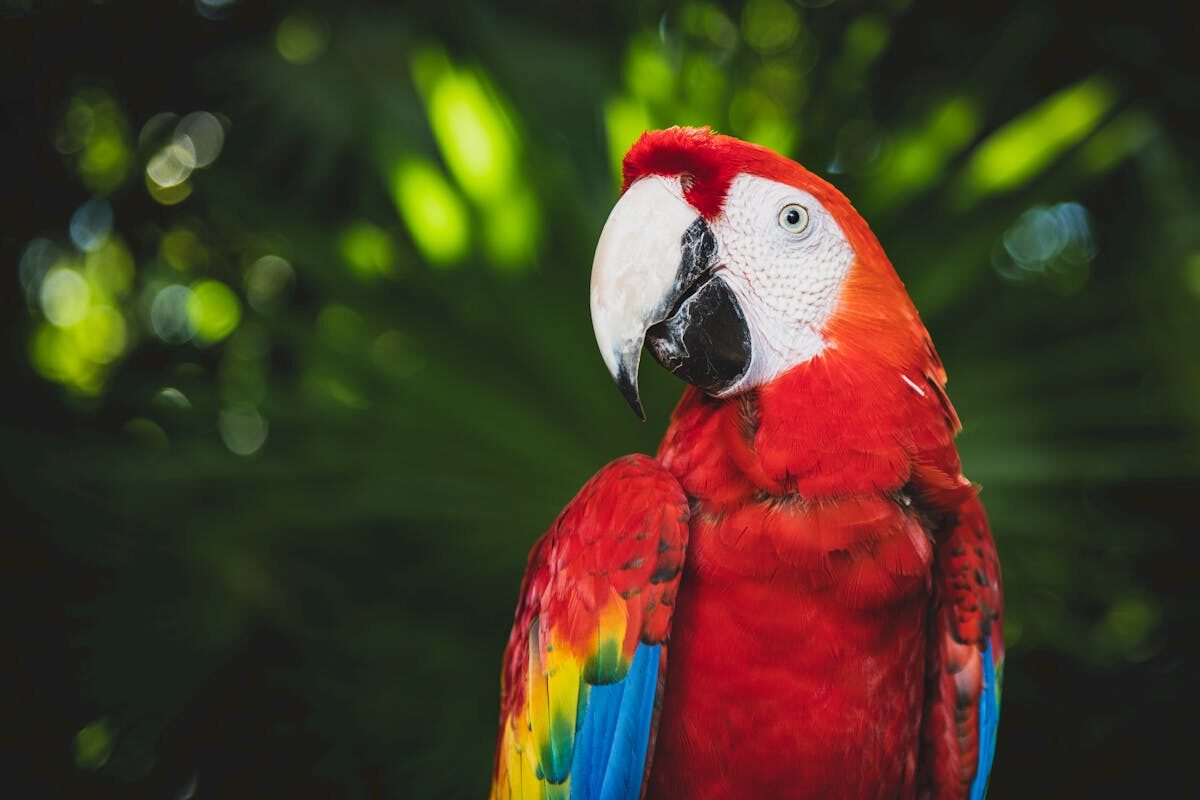
Wildlife & Nature
The Central Pacific sits in one of Costa Rica's richest biodiversity corridors, squeezed between the Pacific Ocean and t...
Learn More →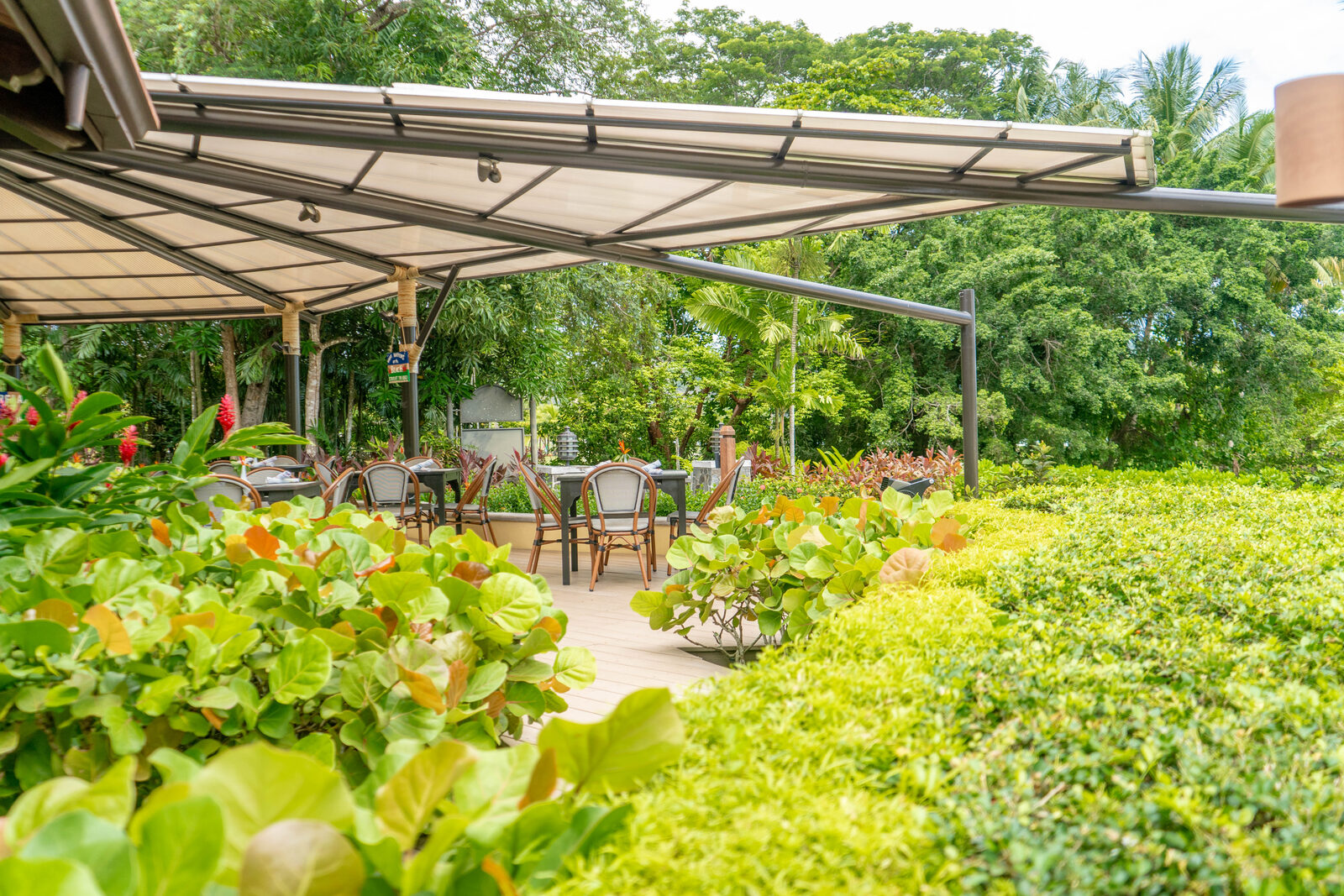
Dining & Food
The Central Pacific's food scene has evolved beyond tourist-trap mediocrity into a legitimate culinary destination. Fres...
Learn More → Beaches
Each beach in the Central Pacific has its own personality and purpose. Jacó is the long, accessible, action-oriented bea...
Learn More →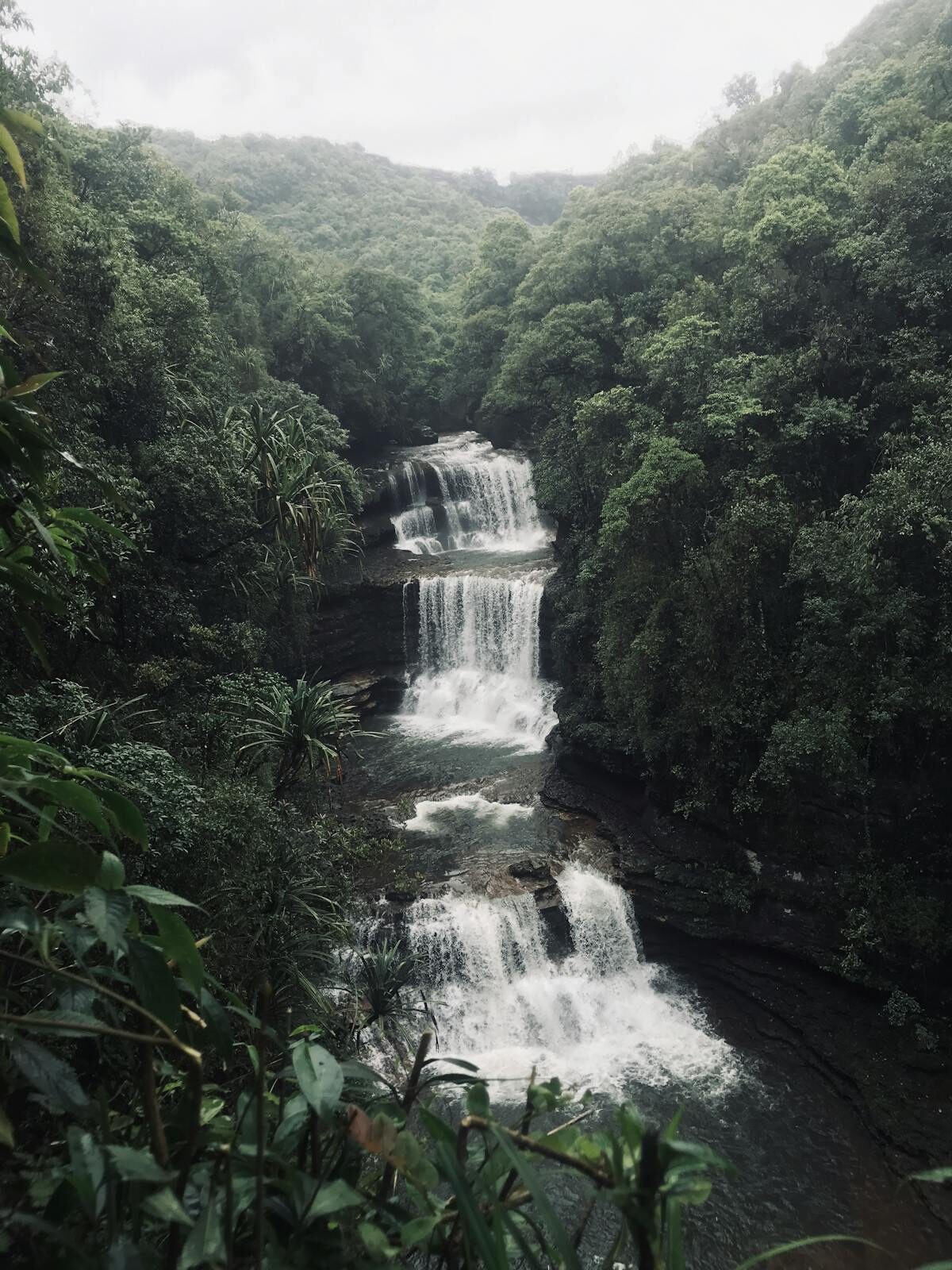
Tours & Excursions
The Central Pacific is tour-operator central, with dozens of outfitters running daily excursions to rainforests, waterfa...
Learn More →Ready to Stay?
Browse Properties in Jacó Upcoming Events
View All Events →Olive Ridley Turtle Nesting Season
2026-07-01 - 2026-11-30
Peak nesting season for olive ridley sea turtles (Lepidochelys olivacea) on the protected sections of Playa Hermosa. Female turtles crawl ashore at night between July and November to dig nests and lay 80-120 eggs each. Nesting activity peaks during new moon phases when beaches are darkest. Nighttime guided turtle-watching tours are available through licensed local conservation organizations; these tours follow strict protocols to minimize disturbance to nesting turtles. Baby turtle releases (liberaciones) typically occur in October and November, about 45-60 days after eggs are laid. Conservation groups monitor nests and announce releases via social media (@ReservePlayaTortuga on Instagram). Releases happen at dawn to give hatchlings the best chance of reaching the ocean safely. Participating in a turtle release is one of Costa Rica's most memorable wildlife experiences. Playa Hermosa's turtle program is community-led and scientifically managed, with portions of the beach roped off during nesting season to protect critical habitat.
Common Questions About Jacó
How far is Jacó from San José airport? +
Is Jacó good for beginner surfers? +
Is Jacó safe at night? +
What is there to do in Jacó besides surfing? +
When is the best time to visit Jacó? +
Where should I stay in Jacó: beachfront or in town? +
Can you drink the tap water in Jacó? +
How much does a vacation rental cost in Jacó? +
What is the best beach day trip from Jacó? +
How long does it take to drive from Jacó to Manuel Antonio? +
Is Carara National Park worth visiting for non-birders? +
Are day trips from Jacó affected by rainy season? +
What day trip from Jacó is best for families with young children? +
Related Guides
In-depth articles to help you plan your Jacó getaway
Best Bars in Jaco, Costa Rica: A Local's Guide to 10 Spots Worth Your Night
From beachfront cocktails to 4am dance floors, here's where to drink well in Jaco. Ten verified bars and clubs, with vibe, drink specialties, hours, a...
Read Guide →Equipment Rental in Jacó, Costa Rica: Surf Gear, Golf Carts, Bikes & More
Where to rent surfboards, SUPs, golf clubs, golf carts, and bikes near your villa in Jacó, Los Sueños, and Herradura....
Read Guide →![How Much Do Surf Lessons Cost in Jaco, Costa Rica? [2026]](/images/surfboards-beach.jpg)
How Much Do Surf Lessons Cost in Jaco, Costa Rica? [2026]
Current pricing from 5 verified surf schools in Jaco, Costa Rica. Group lessons run $55-$70/person, private lessons $80. What's included, group vs. pr...
Read Guide →Wake Up in Jacó
condos and homes with concierge service, pre-arrival grocery stocking, and a local team who actually lives here.