Best Time to Visit Costa Rica: Central Pacific Guide
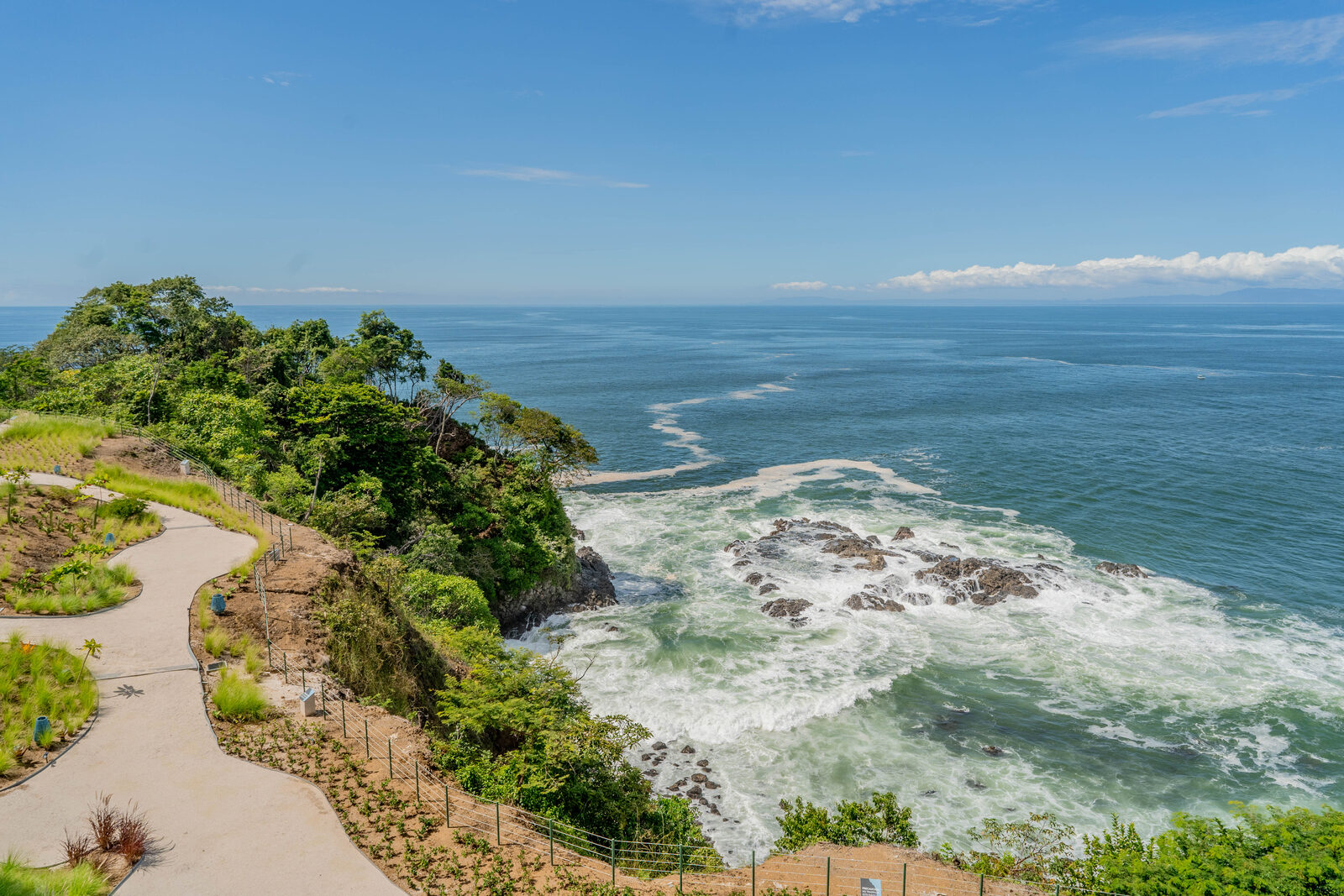
The short answer: December through April gives you the most reliable weather. But the Central Pacific isn’t like most tropical destinations: the “best” month depends entirely on what you’re coming for.
Visiting Jacó or Playa Hermosa for the surf? Green season (May–October) is when the serious swells arrive. Fishing Los Sueños for sailfish? Dry season (December–April) is your window. Watching olive ridley turtles nest on Playa Hermosa? That only happens July through December. Coming for the Triple Crown tournament? The marina doesn’t come alive until January.
Most Costa Rica travel guides give you a single answer and call it done. This one won’t: because this region, specifically the 30 miles of coast from Los Sueños to Jacó to Playa Hermosa, rewards planning by what you actually want to do.
Month-by-Month: Central Pacific at a Glance
| Month | Weather | Surf (Jacó / Playa Hermosa) | Fishing (Los Sueños) | Wildlife | Crowds | Rates |
|---|---|---|---|---|---|---|
| Jan | ☀️ Sunny, dry | Small–medium, clean | 🎣 Peak sailfish, Triple Crown Leg 1 (late Jan) | Macaws nesting | High | Peak |
| Feb | ☀️ Best weather | Small–medium, glassy | 🎣 Peak sailfish, Triple Crown Leg 2 | Macaws nesting | Very High | Peak |
| Mar | ☀️ Warmest month | Picking up | 🎣 Sailfish, Triple Crown Leg 3 | Macaws nesting | Very High | Peak |
| Apr | ⛅ Transition, first rains | Good, growing swells | Good – sailfish winding down | Macaws through April | High → Med | Shoulder |
| May | 🌧️ Rains begin (afternoons) | 🏄 Solid swells | Marlin + dorado building | Quiet | Low | Low |
| Jun | 🌧️ Afternoon rains, lush | 🏄 Excellent, consistent | Marlin + dorado + wahoo | Quiet | Low | Low |
| Jul | 🌧️ Heavy rains, very green | 🏄 Big, powerful | Marlin peaks | 🐢 Turtles begin | Low–Med | Low |
| Aug | 🌧️ Heavy rains | 🏄 Big, powerful | 🎣 Marlin + tuna | 🐢 Turtles active | Low–Med | Low |
| Sep | 🌧️ Rainiest month | Largest swells, rough | 🎣 Marlin + tuna | 🐢 Turtles peak | Very Low | Lowest |
| Oct | 🌧️ Very wet, breaking | Large, choppy | 🎣 Tuna, dorado | 🐢 Turtles + hatchlings | Very Low | Lowest |
| Nov | ⛅ Rains easing | Shoulder, variable | Good all-around | 🐢 Last hatchlings | Low | Low |
| Dec | ☀️ Dry returns mid-month | Small–medium, clean | 🎣 Sailfish building | — | Med → High | Shoulder → Peak |
Dry Season: December Through April
The dry season on Costa Rica’s Central Pacific coast runs from December through April, with late November feeling transitional in some years. December through March is the core: days are consistently sunny, humidity drops, and the Pacific calms down. Temperatures sit in the low-to-mid 80s°F (28–32°C). April is a transition month; most years it stays dry through mid-April before afternoon showers begin creeping in.
What to expect:
Mornings are clear and warm. Offshore breezes arrive by midday, which keeps the heat bearable on the beach but makes the water choppier for surfing. The sky turns deep blue, sunsets are spectacular, and dust from unpaved roads reminds you this is a real working coast, not a resort simulation.
The marina at Los Sueños is at full capacity from January through March. Tournament season runs January through March for the Los Sueños Signature Triple Crown: three separate legs of one of the most competitive billfish tournaments in the world. If you’re visiting during a tournament week (late January, late February, mid-March), book your accommodations and boats well in advance. The marina village comes alive with weigh-ins, team dinners, and fishing talk.
Jacó’s main beach is walkable, the surf schools are running full classes, and every restaurant on the main strip has seats outside. Playa Hermosa’s breaks are smaller and more manageable during dry season: good for intermediate surfers who want to work up to the beach’s power without getting crushed.
The tradeoff:
Everything costs more, often 30–50% above green season rates. The most popular villas book months ahead. The best fishing charters fill up around tournament dates. Semana Santa (Holy Week, late March/early April) is Costa Rica’s biggest domestic travel week; Josefino families descend on the coast en masse, beaches get packed, and properties sell out entirely.
Best for: Families wanting predictable beach weather, fishing groups targeting sailfish, first-time visitors, anyone who won’t tolerate afternoon rain.
Green Season: May Through October
The Central Pacific green season is not a compromise. For certain types of travelers, it’s the better trip.
The rain pattern is predictable and manageable. Mornings are usually clear or partly cloudy with temperatures in the upper 70s°F (25–27°C). Sometime in the afternoon, typically 2–5pm, a proper tropical rainstorm arrives. It rains hard for 30 to 90 minutes. Then it clears, often into an orange-lit evening. You adjust your schedule and the rain barely touches your day: surf at 6am, fish until noon, play golf in the morning, let the rain happen while you eat lunch.
September is the exception. This is the wettest month, with more rain earlier in the day and less predictable windows. It’s not unmanageable, but September requires the most flexibility.
The coast goes intensely green. The jungle around Los Sueños and behind Playa Hermosa saturates to a color that doesn’t exist in December. Waterfalls that were barely running in March now cascade full.
What green season is actually best for:
Surf. The Pacific swells that power the Central Pacific’s best surf arrive during the rainy season. Southern hemisphere storms from May through October push long-period south swells directly into Playa Hermosa and Jacó. June through September produces the most consistent powerful waves of the year: head-high or bigger, with the hollow barrels that Playa Hermosa’s national surf circuit events are built around. The National Surf Circuit Grand Final comes to Playa Hermosa every July specifically because these are the best waves of the year.
Offshore fishing. Los Sueños’s full fishing season shifts in June from sailfish to blue marlin, dorado (mahi-mahi), yellowfin tuna, and wahoo. The billfish variety and volume during July through October is exceptional: experienced captains often call this their favorite fishing of the year. Charter rates are also lower.
Budget. Rates drop significantly once the dry season crowd disperses after Easter. May and June hit a sweet spot: prices fall, but mornings are still clear enough for beach days, surfing, and wildlife. October and November are the cheapest months of the year.
Crowds. The beaches aren’t empty, but they’re not packed with weekend families from San José either. You can spread out on Playa Hermosa. You can walk into a restaurant without a reservation. You can get a tee time the same morning at La Iguana.
Turtles. The olive ridley sea turtle nesting season at Playa Hermosa runs July through December, with baby releases in October through December. More on this below.
Best for: Surfers, serious anglers, budget travelers, wildlife enthusiasts, anyone who’s been before and wants a different experience.
Fishing: When to Go for What
Sport fishing at Los Sueños is productive every month of the year, but the target species changes dramatically.
December through April is peak sailfish season. The dry season brings calm seas and high sailfish concentrations within 8–12 miles of the marina. The Los Sueños Signature Triple Crown runs three legs across this window (late January, late February, mid-March), drawing the highest-caliber tournament fleet in Central America. If you want your best shot at a 20+ sailfish day or you want to fish around the tournament energy, this is when to go. The ocean is calmer, which matters if anyone on your boat is prone to seasickness.
June through October delivers the year’s most diverse offshore fishing. Blue marlin peak from June through September. Black marlin appear alongside them. Dorado (mahi-mahi) runs strong April through October. Yellowfin tuna and wahoo are consistent throughout. Some of the highest-volume days at Los Sueños happen during August and September: experienced captains have had their best-ever days in these months, on mornings when the sky looked grey and nobody expected much. The tradeoff is bigger ocean swells; these are not mornings for first-time offshore anglers with sensitive stomachs.
What doesn’t change: Inshore fishing for roosterfish, snapper, and jack is strong year-round, and a half-day inshore trip works for families or groups who want fishing without committing to a full offshore day.
Surf: Best Months for Playa Hermosa and Jacó
Both Jacó and Playa Hermosa face southwest, which means they’re perfectly positioned to catch swells generated by southern hemisphere storms.
May through October is when those swells arrive. June through September is the peak: consistent, powerful, long-period south swells produce the best waves of the year. Playa Hermosa’s main break can be chest-to-overhead-high with hollow sections that hold their shape. These are not beginner waves. The full breakdown of Playa Hermosa’s surf conditions and breaks is in our surf guide.
Jacó during this same window can get sizeable, the beach has enough length that multiple peaks spread out and you can usually find a section that matches your level. Beginners should stick to the calmer north end; the central and south sections get fast and powerful in bigger swells.
November through April produces smaller, cleaner surf. Lower humidity means glassier morning conditions, and the lack of heavy rain makes for better visibility. These months are ideal for learners, for people who want consistent waist-to-chest surf without getting overwhelmed, and for intermediate surfers who want to actually improve rather than survive.
One local tip: Whatever month you’re here, surf before 9am. Onshore winds pick up by mid-morning and chop the surface. The best sessions (on any beach, in any season) happen at first light.
Wildlife: Turtle Nesting at Playa Hermosa
The olive ridley sea turtle nesting season at Playa Hermosa is one of the most accessible and underrated wildlife experiences in Costa Rica, and most visitors don’t know it exists.
Female turtles crawl ashore at night from July through December to dig nests and lay 80–120 eggs each. Activity peaks around new moon phases when the beach is darkest. Conservation groups monitor the nests and run guided nighttime tours that follow strict protocols: no flashlights, no approaching turtles from the front, silence during nesting. It’s nothing like the staged photo-op you’d find elsewhere.
October through December is when eggs laid in July and August start hatching. Baby turtle releases happen at dawn: conservation groups announce them through @ReservePlayaTortuga on Instagram, often the night before. Watching 80 hatchlings make their way to the ocean at sunrise is the kind of thing that sticks with you.
A few practical notes: book through official conservation groups only. Unlicensed guides cut corners that disturb the turtles. Sections of the beach are roped off during nesting season: respect them. And if you’re staying in Jacó or Los Sueños, Playa Hermosa is 10 minutes south; this is a realistic evening excursion.
Separately: Carara National Park, 15 minutes north of Jacó, has its scarlet macaw nesting season from January through April. Early morning visits (6–9am) to the park during this window produce reliable macaw sightings in pairs and flocks over the Tárcoles River estuary.
Events Worth Timing Your Trip Around
The events calendar for this coast skews heavily toward fishing tournaments and surf competitions. Here are the ones worth planning around:
Los Sueños Signature Triple Crown (January–March): Three legs of the most prestigious billfish tournament series in Central America, all based at Los Sueños Marina. Leg 2 runs late February, Leg 3 mid-to-late March. Even if you’re not fishing, tournament weeks have their own energy: weigh-ins, boat traffic, evening gatherings at Marina Village. See the full events calendar and destinations hub for this year’s exact dates.
Surfing Nights Series at Playa Hermosa (February, March, April): Monthly evening events combining surf heats, a BMX show headlined by Kenneth Tencio (4th at the 2020 Tokyo Olympics), a kickboxing competition, and live music until midnight. Free to watch. A perfect evening out if you’re staying nearby during high season.
Jacó Beach BBQ Block Party (early March): Three-day event at Jacó Walk featuring live music, gourmet BBQ, and the general celebratory energy of peak dry season. This is Jacó doing what Jacó does best.
Semana Santa / Holy Week (late March – early April): Costa Rica’s most important cultural and travel week. Beaches pack with families from San José. A genuinely festive scene: processions, traditional food, everyone at the beach, but accommodations sell out weeks ahead and traffic on the Route 27 highway is severe. Either book months in advance and embrace it, or plan around it.
Costa Rica National Surf Circuit Grand Final at Playa Hermosa (July): The national circuit’s highest-stakes event, with 2,500 ranking points and live broadcast on Canal 6. The best Costa Rican surfers competing in Playa Hermosa’s best waves. Worth watching.
Practical Tips
Booking lead time:
- Peak weeks (Christmas–New Year’s, Semana Santa, Triple Crown legs): 3–6 months ahead. The best properties and boats sell out.
- Regular dry season (January–March): 4–8 weeks ahead for a good selection.
- Green season: Often available with 1–2 weeks notice, sometimes shorter. Rates and availability are much more flexible.
Pricing:
- Peak (Dec 20–Jan 5, Semana Santa): Highest rates, sometimes 50–70% above green season.
- High season (Jan–Mar): 30–50% above green season.
- Shoulder (Apr, Nov, early Dec): 15–25% below peak.
- Green season (May–Oct): 30–45% below peak. September and October are the cheapest months.
What to pack by season:
Dry season: Light clothing, SPF 50+ sunscreen, polarized sunglasses (mandatory for offshore fishing), wide-brim hat. One light layer for air-conditioned vehicles and restaurants. Dark volcanic sand gets scorching hot midday: water shoes or sandals for the beach.
Green season: A compact packable rain jacket (Patagonia Torrentshell or similar). Quick-dry everything. Bug repellent with DEET or picaridin, especially for dusk wildlife activities. Same sun protection; UV is intense even on overcast mornings. Waterproof dry bag or backpack for any boat activity.
Frequently Asked Questions
What's the best month to visit Costa Rica's Central Pacific?
February is the single best month if you want to maximize options. Dry season is in full swing: sunny days, calm seas, low humidity. The Los Sueños Triple Crown Leg 2 runs late February, so the marina is electric. Scarlet macaw nesting at Carara National Park is active. Surf is manageable for most levels. Properties are available (though not cheap). If February doesn’t work, January is close behind and often easier to book.
Is rainy season really that bad in Jacó and Los Sueños?
No. The pattern is specific and manageable: mornings are clear, afternoons bring rain (usually 2–5pm), evenings often clear. You plan around it: surf early, fish at dawn, do outdoor activities before noon. What green season does mean: bigger surf swells, better offshore fishing variety, significantly lower rates, far fewer crowds. Many repeat visitors prefer it. The one exception is September, when rain is heaviest and the pattern is least predictable.
When is the best time to fish in Los Sueños?
December through April for sailfish: the Triple Crown tournament season exists because this is when the fishery peaks. June through October for blue marlin, dorado, wahoo, and yellowfin tuna: some captains call August their best month of the year. Year-round for inshore fishing (roosterfish, snapper, jack). There’s no bad time to fish at Los Sueños; there’s just different target species. See our full Los Sueños fishing guide for charter recommendations and what to expect.
When are the biggest waves at Playa Hermosa and Jacó?
June through September produces the most powerful and consistent surf on this coast. Southern hemisphere swells arrive with long period and real size: head-high to overhead is routine, with bigger sets when major storms track south of New Zealand or near Antarctica. The Costa Rica National Surf Circuit holds its Grand Final at Playa Hermosa in July for exactly this reason. Dry season (November–April) offers smaller, cleaner conditions: better for beginners and people who want to improve without fighting heavy surf.
When do olive ridley turtles nest at Playa Hermosa?
Nesting runs July through December, with the most activity peaking around new moon phases when beaches are darkest. October through December is when you’re most likely to see baby turtle releases: hatchlings emerge 45–60 days after eggs are laid, typically at dawn. Book through official conservation groups (@ReservePlayaTortuga on Instagram for last-minute announcements) and follow their protocols. It’s a 10-minute drive from Jacó.
When is Semana Santa and should I avoid it?
Semana Santa (Holy Week) falls in late March or early April: in 2026 it runs March 29 to April 5. Costa Rica’s most significant cultural holiday brings tens of thousands of families from San José to the coast. Thursday and Friday of Holy Week are mandatory holidays; most businesses close. Beaches pack out, properties sell out, and Route 27 traffic is brutal on arrival and departure days. If you want to experience it, book 2–3 months ahead and embrace the festive chaos. If you want empty beaches and easy parking, arrive before March 25 or after April 7.
What's the cheapest time to visit the Central Pacific?
September and October offer the lowest rates on the entire coast: sometimes 40–50% below peak. The tradeoff: these are the wettest months, with less predictable morning weather. For the best balance of affordability and usability, May and June are the sweet spot: rates have dropped from peak season, but mornings are clear enough for surf, fishing, and beach time before afternoon rains begin.
What is the dry season in Costa Rica?
Costa Rica’s dry season runs from mid-December through April on the Pacific coast. “Dry” means virtually zero rain, strong sunshine, and lower humidity. Guanacaste (North Pacific) has the most extreme dry season, with no meaningful rain from November through April and temperatures regularly above 95°F (35°C). The Central Pacific is milder. The Caribbean coast has its own patterns and is not synchronized with Pacific dry season.
What months should you avoid in Costa Rica?
No month is universally bad. It depends on what you’re doing and which coast you’re on. The months that require the most flexibility: September on the Pacific coast: Heaviest, most unpredictable rains of the year. Some days are fine; some days are genuinely locked in. If you can’t handle weather delays, avoid September on the Pacific. June through August on the Caribbean coast: The Caribbean’s wet season. Puerto Viejo and Tortuguero see their heaviest, most persistent rainfall June through August. If you’re planning a Caribbean itinerary, target February–April or September–October instead — those are the dry windows. Semana Santa (late March/early April): Not bad in terms of weather — it’s prime dry season. But beaches overflow, highways clog, and properties sell out. You either embrace the festive chaos with advanced bookings, or you plan around it.
Is Costa Rica good to visit in April, May, or June?
April is excellent in the first half (dry season continues) and genuinely good value in the second half (post-Easter prices drop before rains arrive). The week after Semana Santa is one of the best-value weeks of the year. May is underrated. Morning weather on the Pacific is still pleasant, rains are manageable afternoon affairs, and prices have dropped 30–40%. Green season activities (surfing, fishing variety, wildlife) are ramping up. June is solidly good for surfers, anglers, and budget travelers. Rains are heavier than May but still follow the predictable morning-clear pattern. Less ideal for beach-focused visitors who want guaranteed full-day sunshine.
Ready to Experience Jacó?
Book your Jacó vacation rental with Nest Stays — and wake up right where the action is.